We want all of our students to develop an appreciation – or love – of reading. What does the research tell us about how best to support them and avoid the vicious cycle of underachievement if students struggle to read from an early age?
Start with the fundamentals...
Take an Interactive Course

Watch engaging videos, take part in interactive experiments and complete quizzes about Developing Independent Readers in the classroom. Explore what the research says and apply the findings into your day-to-day practice.
Dive deeper...
Watch Expert Insights
We asked a leading researcher questions you want the answers to. Choose from a selection of interviews to take your understanding of Developing Independent Readersto the next level.
Read further...
Reading Resources
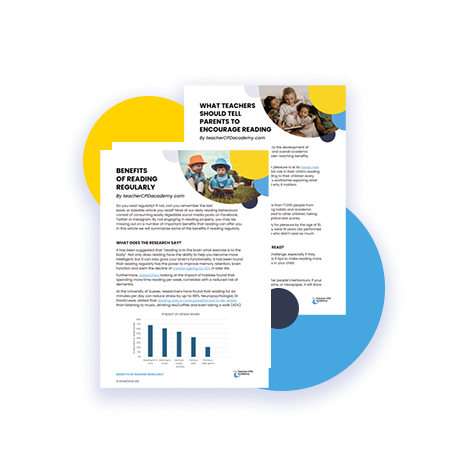
Evidence-informed articles and infographics packed full of tips for the classroom.
Mastered Developing Independent Readers?

Don’t stop there! Head back over to our Teacher CPD Topics and take your pick of the other Cognitive Science areas.
Created by InnerDrive, a UK based company delivering high-quality training, based on Cognitive Science research.
VAT Number: GB171618410 | Registered Company no. 5997821
Please fill the form in below and we will get back to you as soon as we can. We look forward to hearing from you!
Write your awesome label here.
Cognitive Load Theory
Cognitive Load Theory highlights that all information first has to go through our working memory, which has a limited capacity. Too much information can overload students' brain, which can hinder or even completely halt transfer to their long-term memory – which is where learning happens.
Please fill the form in below and we will get back to you as soon as we can. We look forward to hearing from you!
Login or sign up to start learningLogin to start learning